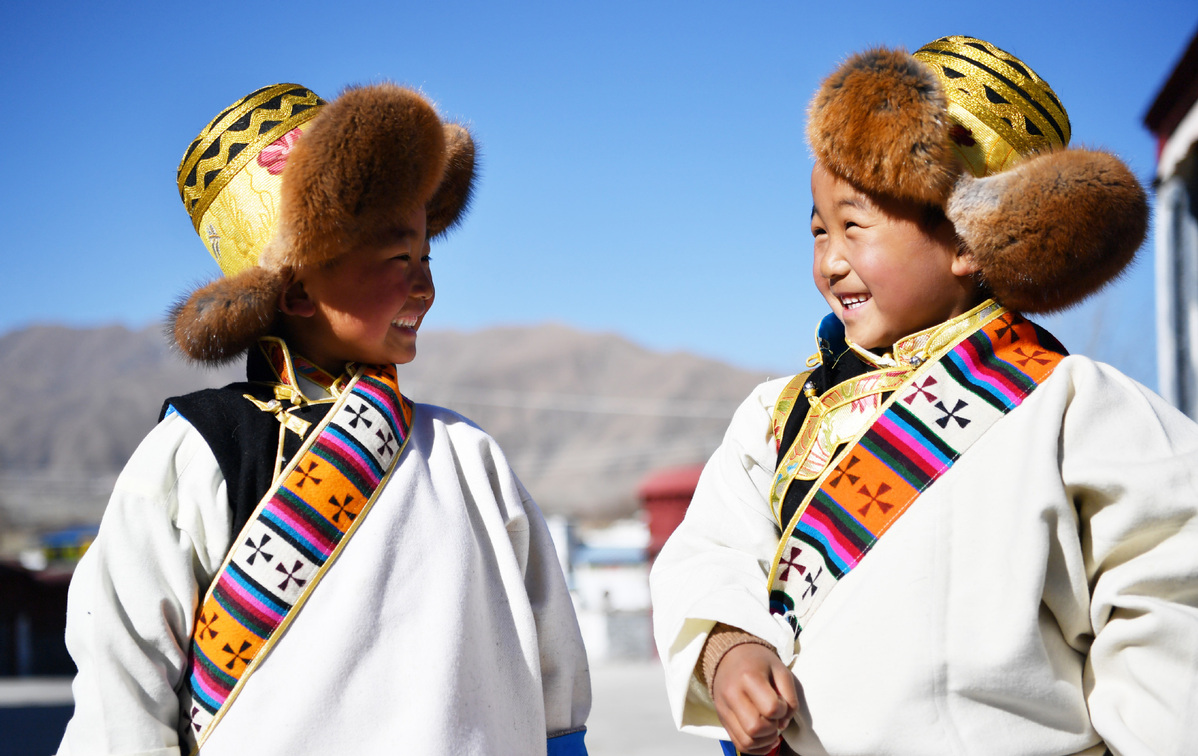
Tibetan New Year
Introduction
Tibetan New Year, known as Losar, stands as a significant cultural and religious festival celebated by Tibetan people in the Xizang autonomous region, as well as in Qinghai and Sichuan provinces. Typically celebrated in February or March, it marks the start of the Tibetan lunar calendar and spans over 15 days.
The festival embodies a period of renewal, optimism and familial bonding. During Losar, Tibetans express gratitude, seek blessings and indulge in customs and traditions that reflect their rich cultural heritage.
History
Traditionally, the festival was a time for offering incense to appease local deities and spirits, and it was believed that such rituals could ensure a prosperous new year. As Buddhism spread throughout Xizang, Losar became one of the most important religious festivals for the Tibetan people, incorporating various elements of Tibetan culture and Buddhist teachings.
Cultural Significance
Losar is a festival deeply rooted in the Tibetan way of life, embodying the cultural and spiritual identity of the Tibetan people. It is a time for Tibetans to honor their ancestors, express gratitude to the divine, and seek blessings for the coming year.
The celebration of Losar is not just a religious event; it is a communal experience that reinforces social bonds and cultural continuity. It is a moment of reflection, where Tibetans remember their past, embrace the present and look forward to a future filled with hope and prosperity.
Traditions and Celebrations
Preparations
Preparation for Losar begins well before the festival itself. Tibetans engage in a comprehensive cleaning of their homes and surroundings, a practice aimed at sweeping away any negativity or bad luck that might have accumulated over the previous year. They also adorn their homes with colorful decorations, such as prayer flags, lanterns and bright banners. These decorations are meant to invite positivity and good fortune. Moreover, they prepare offerings for the gods and their ancestors, which often include food, incense and flowers.
Rituals and Ceremonies
Rituals and ceremonies play a central role in Losar celebrations. One of the significant rites is the offering of prayers and making offerings to the deities. This is believed to bring good fortune and blessings. The Chunga Choepa ceremony is a notable ritual, where people gather to offer food, drinks and other items to the local deities. Fireworks and sparklers are also lit up throughout the night, creating a vibrant and festive atmosphere.
Food and Festivities
Food is an integral part of Losar celebrations. Families gather to enjoy traditional Tibetan cuisine, which includes dishes such as momos (steamed dumplings filled with meat or vegetables), Tibetan butter tea (made from yak butter and tea leaves), and a variety of sweet treats. A special dish called "gutu", a soup made of flour with nine different fillings, is traditionally consumed on the "Gutu Eve", two days before the Tibetan New Year. The act of eating gutu is both a culinary experience and a cultural one, reflecting the Tibetan belief in auspiciousness and luck.
Modern Observations
In contemporary times, Losar continues to be a vital part of Tibetan culture.
While traditional practices remain at the heart of the celebrations, modern influences have also shaped the way Losar is observed. In urban areas, the festival often includes modern entertainment such as concerts and fireworks displays. The growing tourism industry in Xizang has also led to an increase in visitors during Losar, eager to experience the unique cultural festivities. Additionally, advancements in technology and communication have allowed Tibetans living outside the region to participate in Losar celebrations, connecting them with their heritage.








